
RECIPE: Wildfarmed Wholemeal Tagliatelle
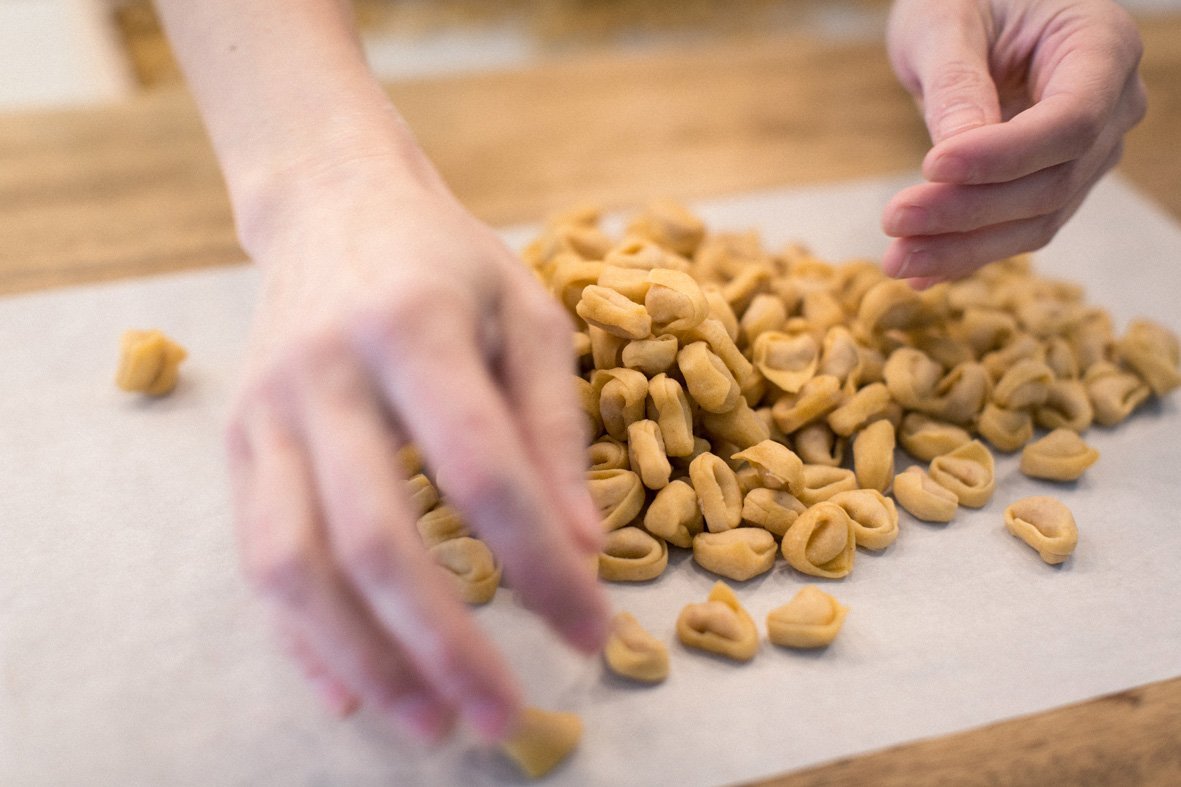
Wholemeal flour brings a nutty depth to fresh tagliatelle. This recipe follows the Burro e Salvia habit of keeping dough simple and letting good grain speak — here through Wildfarmed wholemeal flour milled with care for flavour and texture.
Ingredients (for a generous board for four): about 300 g Wildfarmed wholemeal flour, 3 medium eggs, a pinch of fine salt, and a little water only if the dough feels tight. Extra flour for dusting the bench. Optional: a spoon of olive oil if your eggs are small.
On a clean surface mound the flour and make a wide well. Crack in the eggs and add the salt. With a fork, draw flour into the eggs until a shaggy dough forms, then knead by hand for eight to ten minutes until smooth and elastic. Wholemeal dough can feel thirstier than 00; add drops of water sparingly rather than flooding the mix.
Wrap and rest the dough for at least thirty minutes at room temperature. Resting relaxes the gluten so sheets roll evenly. Divide into pieces, flatten, and roll from thick to thin — by hand with a rolling pin or with a machine — until you can just see the shadow of your hand through the sheet.
Dust lightly, roll the sheet into a loose cylinder and cut tagliatelle ribbons. Untangle and dust again so the strands stay separate. Cook in abundant salted boiling water for one to two minutes until al dente; wholemeal cooks quickly once fresh.
Serve with a robust ragù, browned butter and sage, or a simple mushroom sauce that matches the grain. The flour is the point of the plate — keep the dressing clear enough to taste it.
If the dough cracks at the edges while rolling, dampen your hands and knead briefly again before returning to the machine or pin. Wholemeal sheets prefer a slightly thicker final setting than silky 00 dough; stop one notch earlier if the ribbon tears. Leftover cut pasta can be dusted, left on a tray until firm, then bagged and frozen — boil from frozen with an extra half-minute. A spoon of pasta water in the sauce pan is still the best binder: starch helps butter or ragù cling to the bran-flecked strands. Taste the flour in a plain butter-and-sage dressing once before you hide it under a heavy sauce; that is the quickest way to understand why the grain partnership mattered in the kitchen.